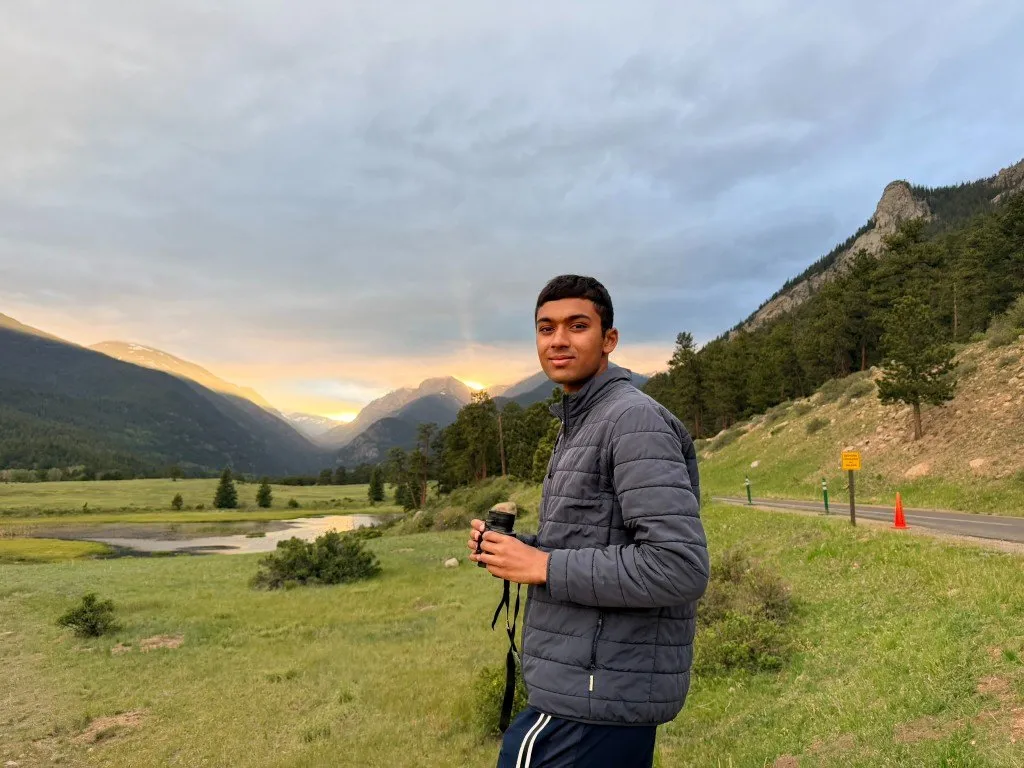
Trailhead▲ 0 ft · San Diego
Aditya Katre
I build AI systems, keep Linux servers alive under attack, play tenor sax, and climb things.
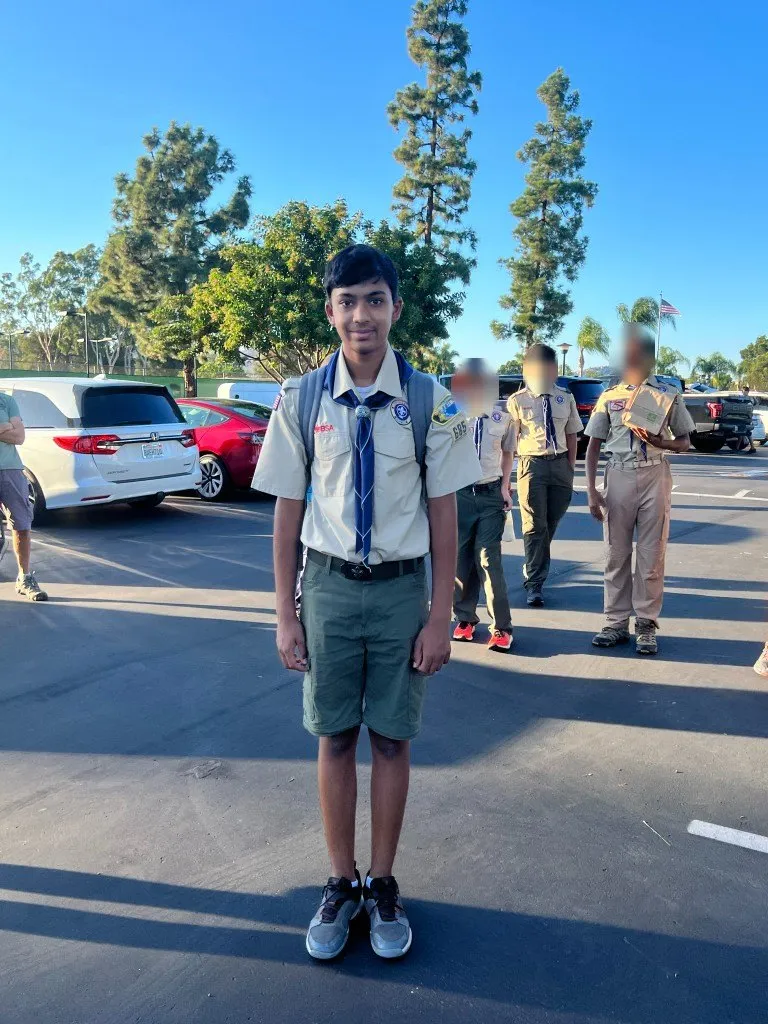
Senior at Del Norte High School in San Diego. Researcher at SDSU's Data Science Lab. Eagle Scout. I like being the least experienced person in the room, because that's usually where I learn the most.
Right now
- Researching cross-modal attention for visual question answering with Prof. Hajar Homayouni at SDSU. Our paper was accepted to IEEE BigData 2026, and I've been invited to present.
- Building DentaScan, an AI intraoral scanner I invented. Provisional patent filed August 2026.
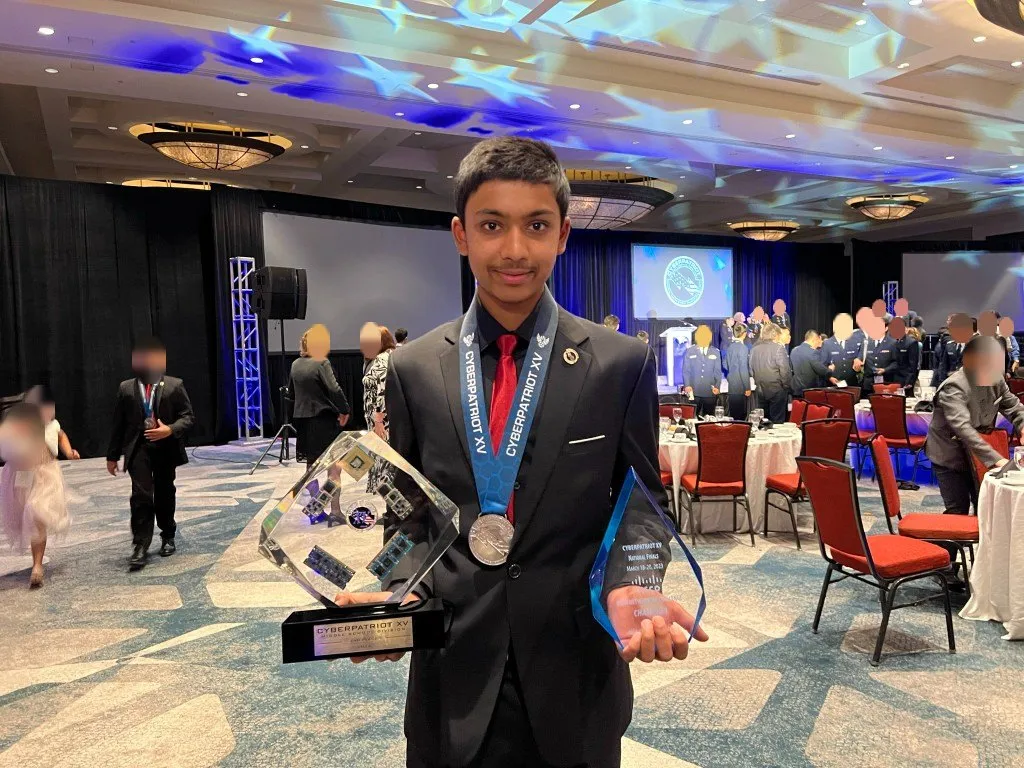
- Captaining CyberAegis in my sixth season of CyberPatriot.
- Applying to college for Computer Science and AI.
field notes, by the numbers
The route
Eight waypoints, one climb
The site is laid out like the trail up Mt. San Jacinto, which is where the idea for Scrapp started. Each section is a waypoint. The counter in the corner shows how far up you are.
- The Lab Bench Vision-language attention at SDSU, an AI dental scanner I invented, and a published whale-ID paper.

- Root Access Six years captaining CyberAegis, a national finals trip, and USACO Silver.
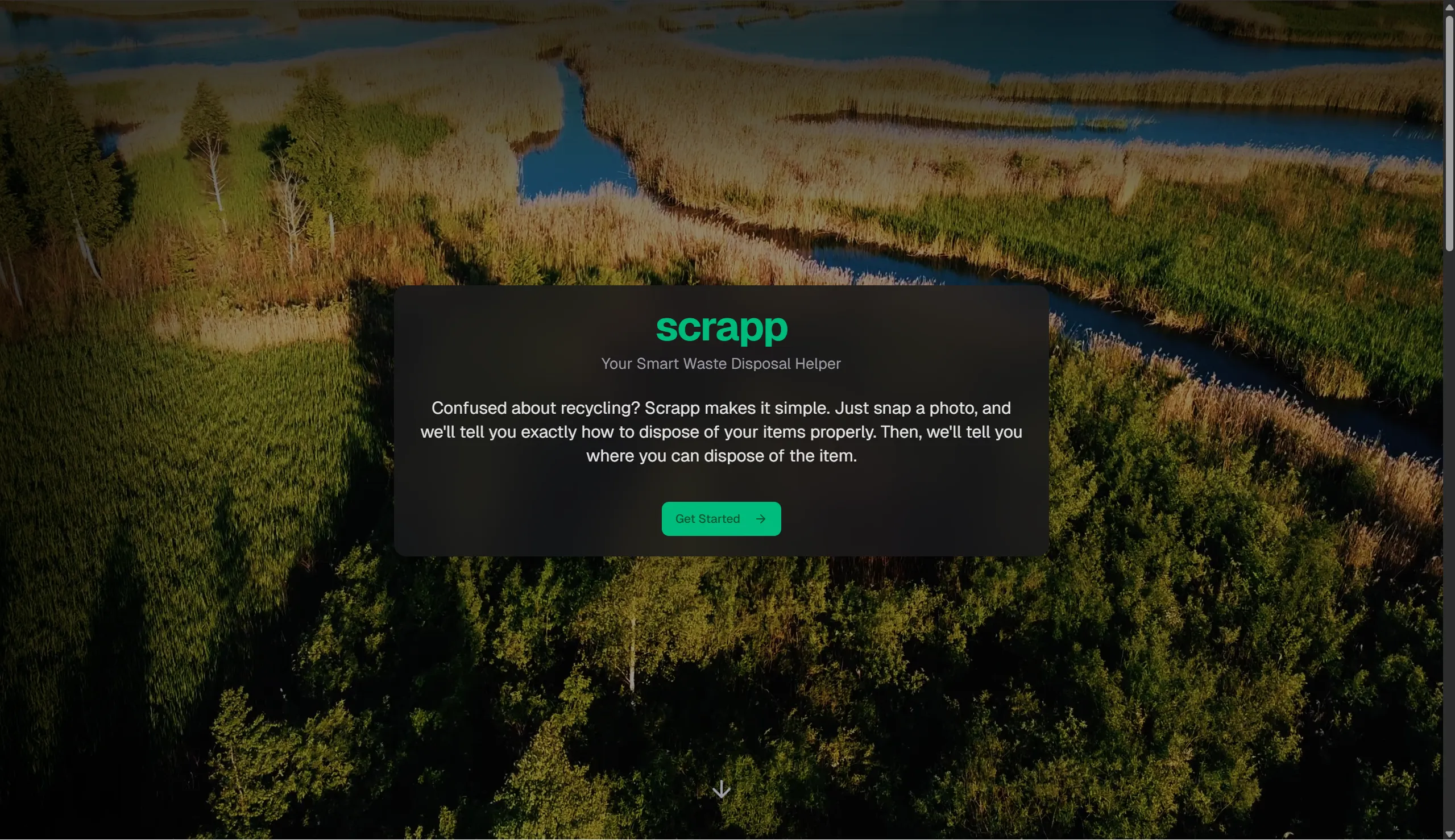
- Shipped Scrapp, a Union-Tribune-featured app, plus school tools used by 100+ students a day.
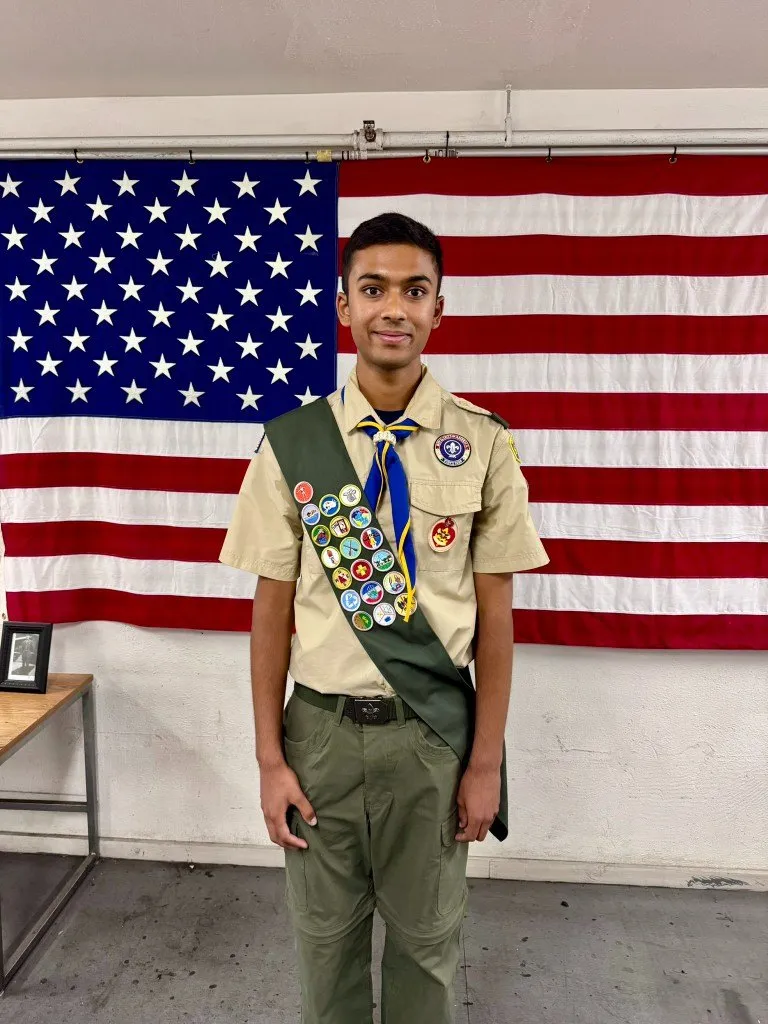
- Leave It Better Eagle Scout, Troop 685, and an app my HOA still uses to book its parks.
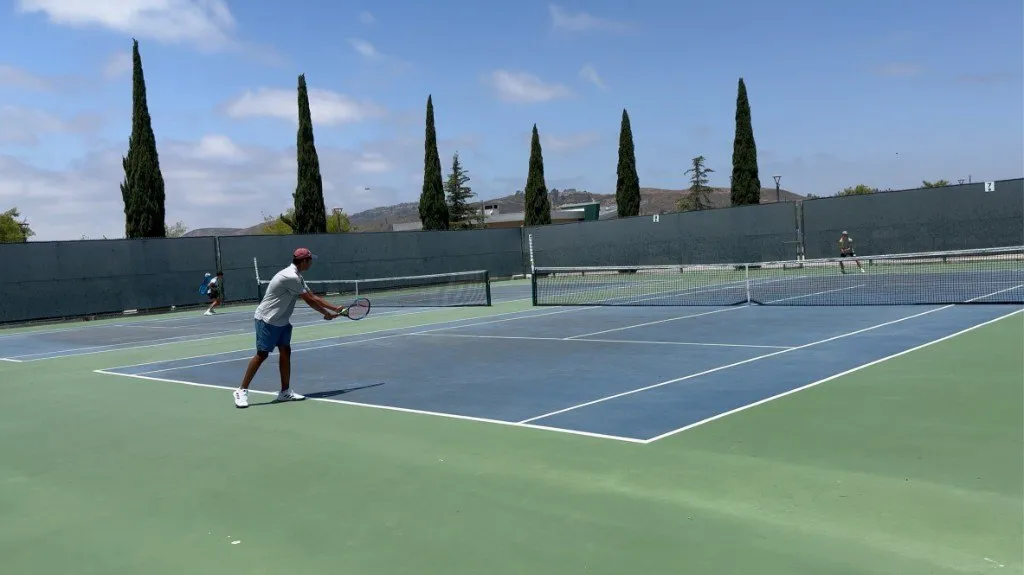
- Baseline UTR 6.2, six years of tournaments, and weekly sessions coaching fifth graders.
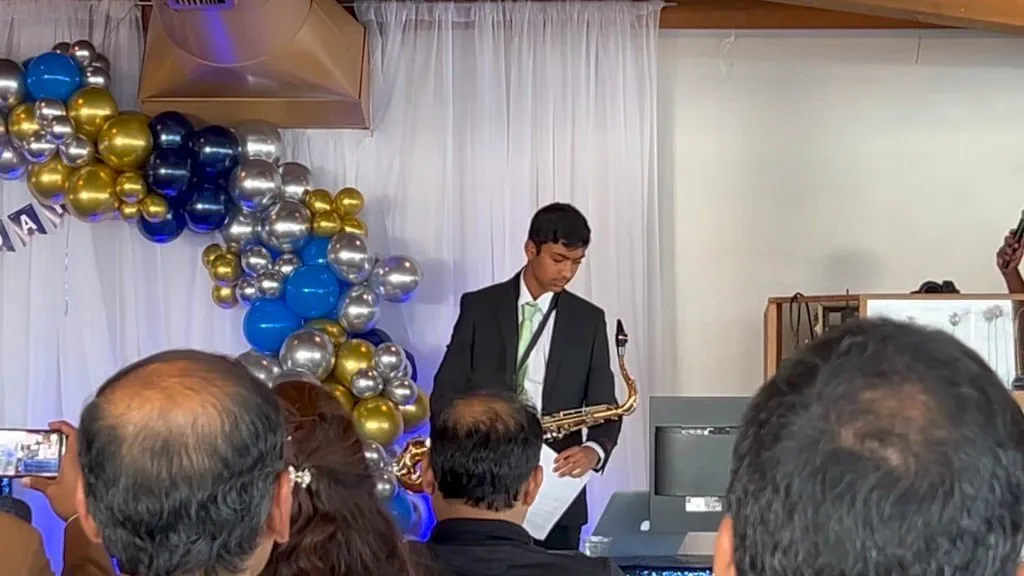
- Tenor Notes Tenor sax in Wind Ensemble and Jazz Band, from garage practice to festival solos.
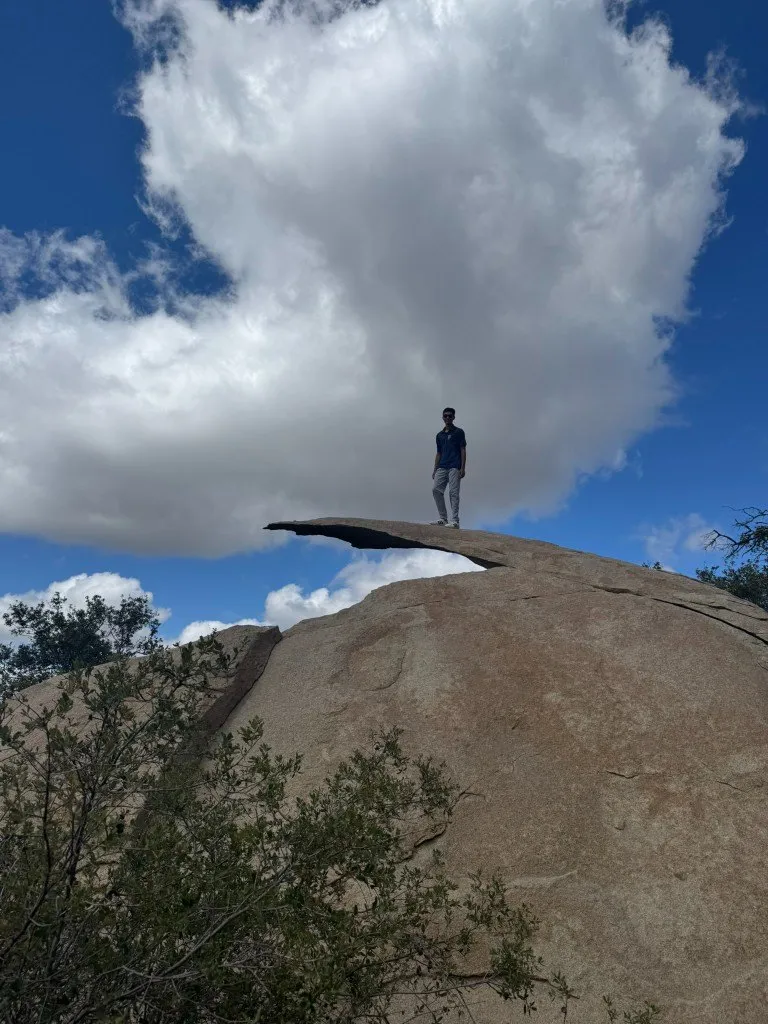
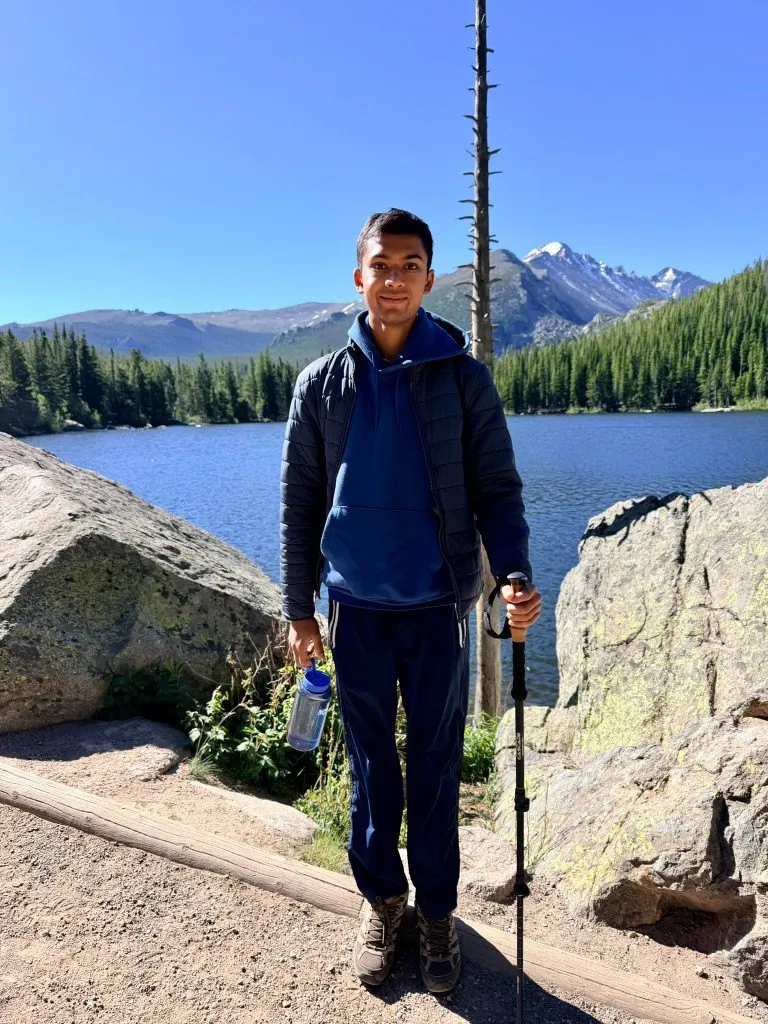
- Off the Grid Backpacking, trail cleanups, and the photos I take along the way.
- Switchbacks The whole climb, year by year.
In the news
"We saw our school's recycling bins empty and the trash cans almost full. It's not that our peers don't care, they are just not putting in the mental effort." Me, in The San Diego Union-Tribune, March 2026, on why we built Scrapp
Why a trail
A hike is a lot of small steps
On a Troop 685 backpacking trip, I slipped on icy granite near the summit of Mt. San Jacinto and caught myself with my trekking poles. The next day I led ten scouts on a cleanup and we picked up bottle caps and wrappers the whole way. On the same trip, nobody in my patrol knew how to throw away an empty propane canister.
That canister is the reason Scrapp exists. It also explains most of what is on this site. I usually get somewhere by taking a lot of small steps, and I want to make those steps easier for other people too. That might mean teaching a younger scout, building practice servers for my cyber team, or writing software that tells you which bin to use.